Veteran Services That Honor a Life of Courage and Commitment
For families comparing funeral homes Long Beach, CA, the most important question is not whether a service looks traditionally military. It is whether the farewell reflects the veteran’s life, values, relationships, and service with care.
Military service may have shaped a person’s identity deeply, or it may have been one important chapter among many. A thoughtful plan makes room for both. The family can recognize branch, rank, era of service, or meaningful military traditions while also honoring the person as a parent, spouse, friend, neighbor, worker, person of faith, or devoted volunteer.
If a death has occurred, it is on time to begin sharing what the family knows about the veteran’s service. If someone is pre-planning, this is an early and helpful time to write down wishes, locate records, and tell loved ones what matters most. Waiting until arrangements are underway can limit the time available for certain requests and make decisions harder during grief.
For additional guidance on recognizing a military life with intention, read veteran services that honor courage and lifelong sacrifice.
Military Recognition Has to Follow One Formal Template
A veteran’s service does not need to follow one formal pattern to be respectful. Some families prefer a ceremony centered on military customs. Others want a quieter gathering where recognition of service is one part of a broader remembrance.
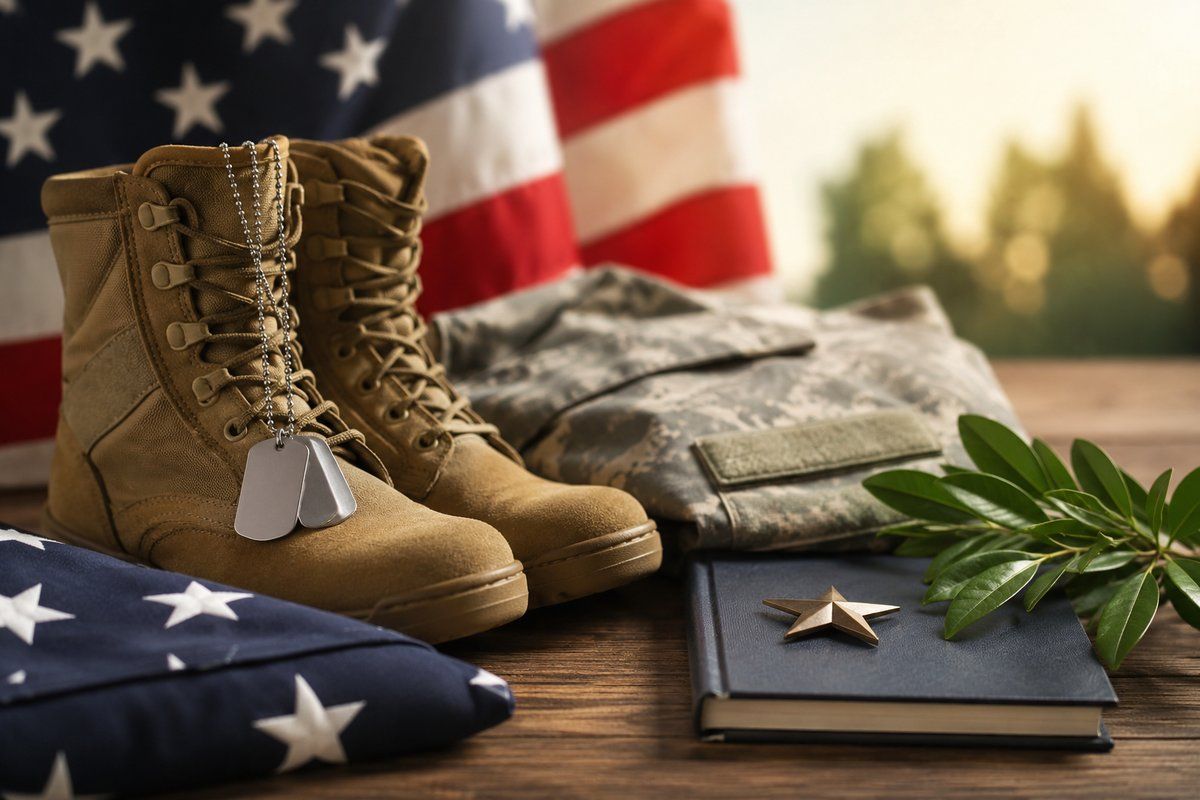
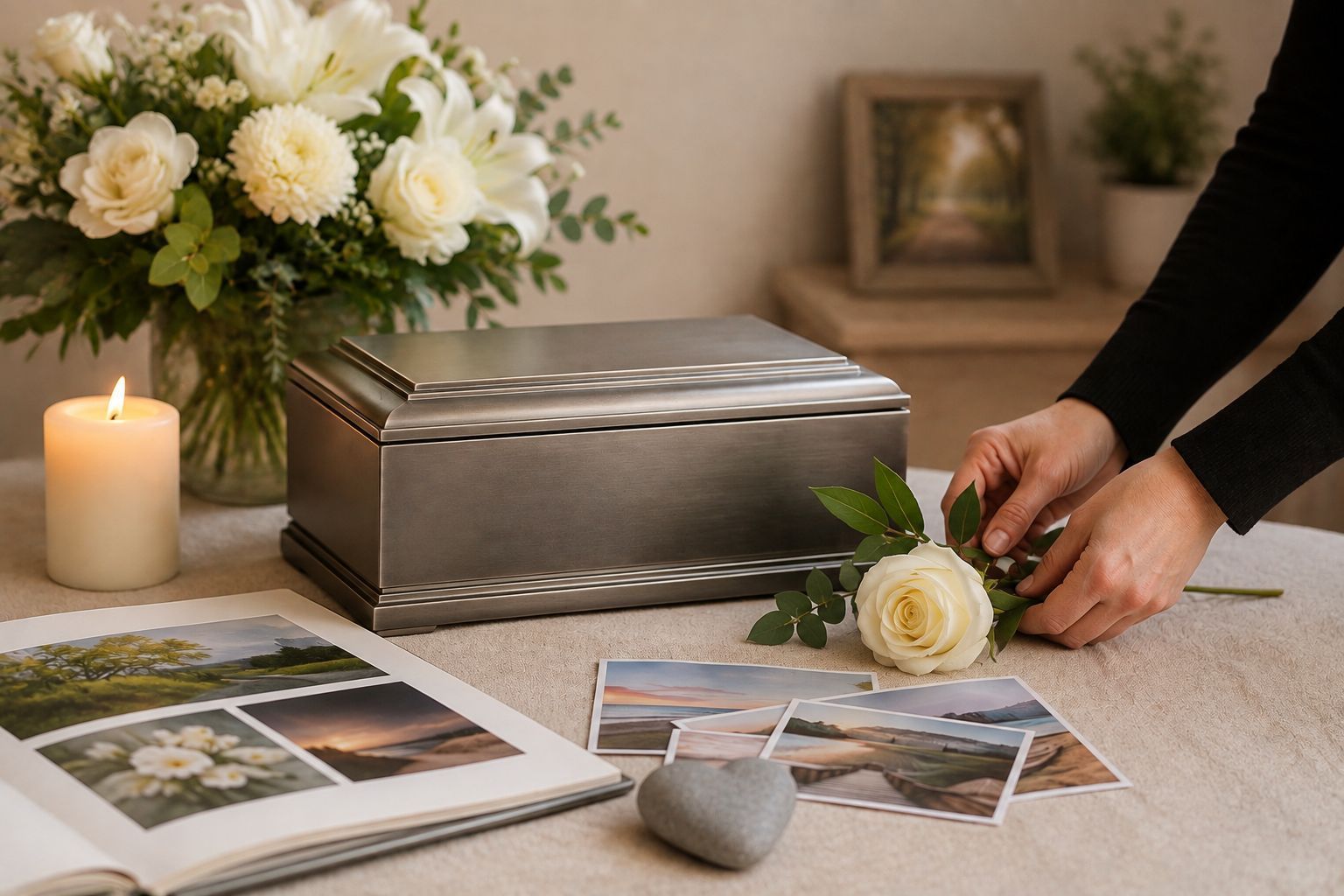
Photographs from different seasons of life can sit alongside military memorabilia or a branch-related display. A reading may reflect faith, duty, resilience, or love. Music can include a meaningful patriotic selection as well as songs connected to family gatherings, a marriage, a favorite pastime, or the veteran’s personality.
The right balance often becomes clearer when families ask, “What would feel most true to this person?” That question prevents a service from becoming overly formal when the veteran was known for warmth and humor, or overly casual when military service was central to their identity.
Funeral Homes Handle Every Military Honor Automatically
Requested military recognition may involve information, records, and coordination that cannot be assumed. Bring up the veteran’s service as early as possible, particularly when there are specific traditions the family hopes to include.
- Share available service details. Gather the veteran’s full name, branch of service, dates of service, discharge paperwork if available, rank, and any details the family believes may matter.
- Ask what may be requested. A funeral provider can explain the types of recognition that may be available and what information may be needed to pursue them.
- Discuss timing right away. If the family hopes to include military participation or a particular observance, early notice gives more room for coordination.
- Name the family’s priorities. Tell the provider whether military recognition should be central to the gathering or included as one meaningful part of it.
- Choose one family contact. A single point person can help prevent mixed messages when relatives are sharing documents, memories, and preferences.
It is overdue to delay these conversations until the last details are being finalized. A simple early discussion can reduce uncertainty and help the family focus on remembrance rather than paperwork.
Burial Is the Only Way to Create a Lasting Veteran Memorial
Burial can provide a place for graveside observance and future visits, but it is not the only meaningful form of remembrance. Cremation can also be part of a service that includes military recognition, a visitation, a memorial gathering, or a later ceremony when relatives can attend.
Some families choose a formal service before cremation. Others gather afterward, allowing time for relatives traveling from out of town or for a date with personal significance. A graveside observance may be right for families who find comfort in a quieter setting, while a memorial gathering may better fit a veteran known for bringing people together.
Permanent remembrance choices can also give loved ones a place or tradition to return to over time. The decision should reflect the veteran’s wishes when known, the family’s beliefs, and what will provide genuine comfort in the years ahead.
Personalization Takes Attention Away from Military Service
Personal details do not weaken military recognition. They help people understand who that service belonged to.
When honoring a veteran, consider including their rank and branch of service where appropriate without allowing those details to replace the larger story of who they were. Mentioning the era of service can help relatives and guests understand an important chapter of the person’s life, while memories of their roles as a grandparent, sibling, mentor, spouse, or caregiver can highlight meaningful family relationships.
Hobbies, work, and personal interests that brought purpose, such as gardening, coaching, building, cooking, travel, or community involvement, can also be displayed or discussed. Families may include prayers, readings, customs, or gathering traditions that reflect their faith and culture. Community connections can further honor the veteran’s life by recognizing friends, colleagues, neighbors, fellow volunteers, and others who knew them through everyday experiences.
A complete tribute lets guests recognize both commitment to country and the everyday qualities that made the veteran deeply loved.
Choosing Support from Funeral Homes
When comparing providers, focus on how well they help your family act at the stage you are in. They can help families talk through the details that matter, from the veteran’s wishes and available records to the shape of a gathering that feels personal and dignified.
- Ask how they begin the conversation. A caring provider should make room for the veteran’s story before moving quickly into decisions.
- Ask about requested military recognition. Find out how they explain needed information, coordination steps, and timing.
- Ask how they present service choices. Clear explanations help families understand the difference between burial, cremation, a funeral, a memorial gathering, and a graveside observance.
- Ask how personalization is handled. The provider should help you include military traditions alongside family memories without making either feel like an afterthought.
- Ask what happens next. Before leaving the conversation, you should understand who will help, what information to gather, and what decisions can wait.
Families seeking funeral homes Long Beach, CA deserve steady guidance that honors both service and individuality. To begin a calm, informed conversation about a veteran’s farewell, contact us to discuss your family’s memorial needs or reach Luyben Dilday Mortuary at (562) 425-6401.